Discover the castle
Discover Slovenska Bistrica Castle
A Vibrant Cultural Centre between Pohorje and Haloze
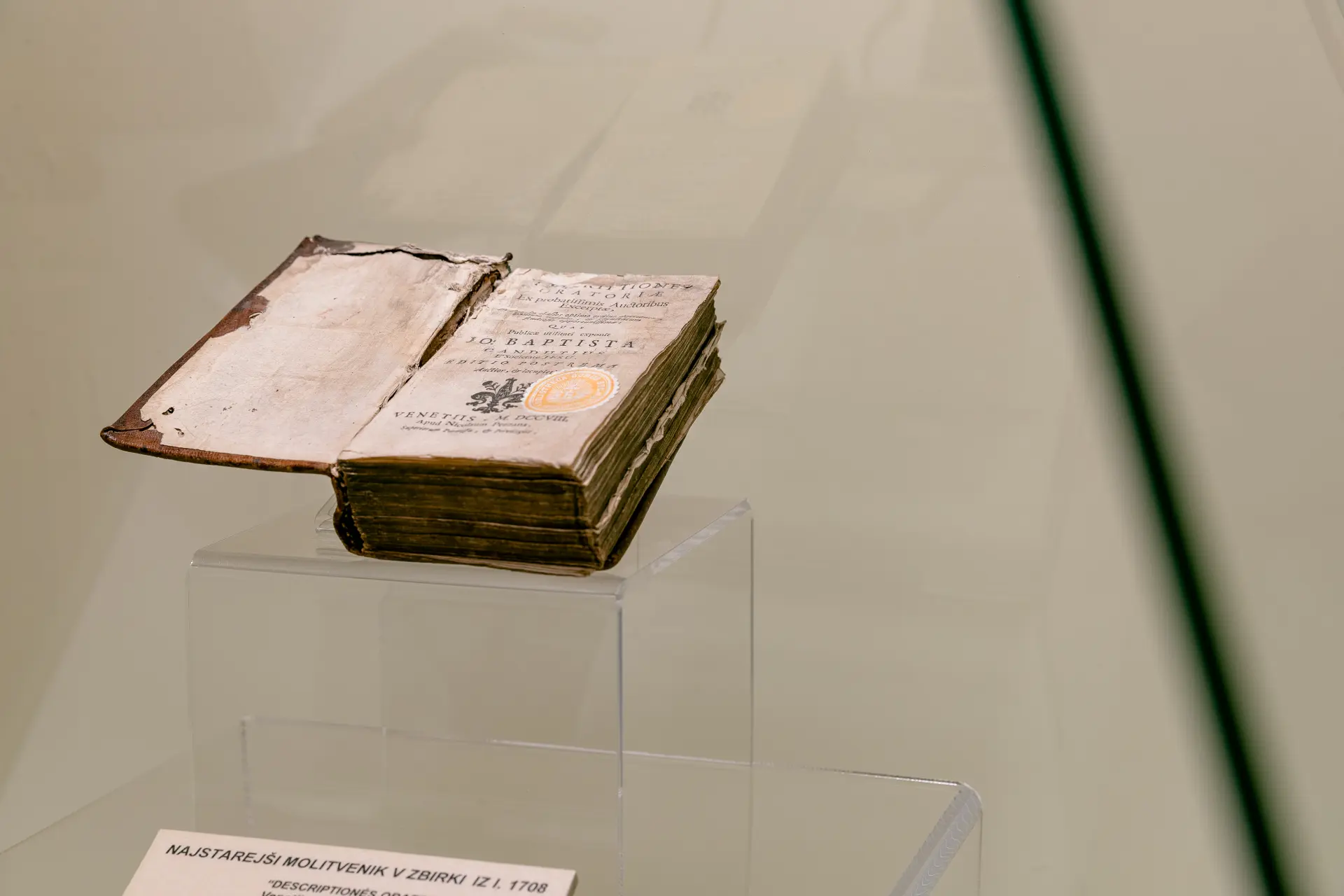
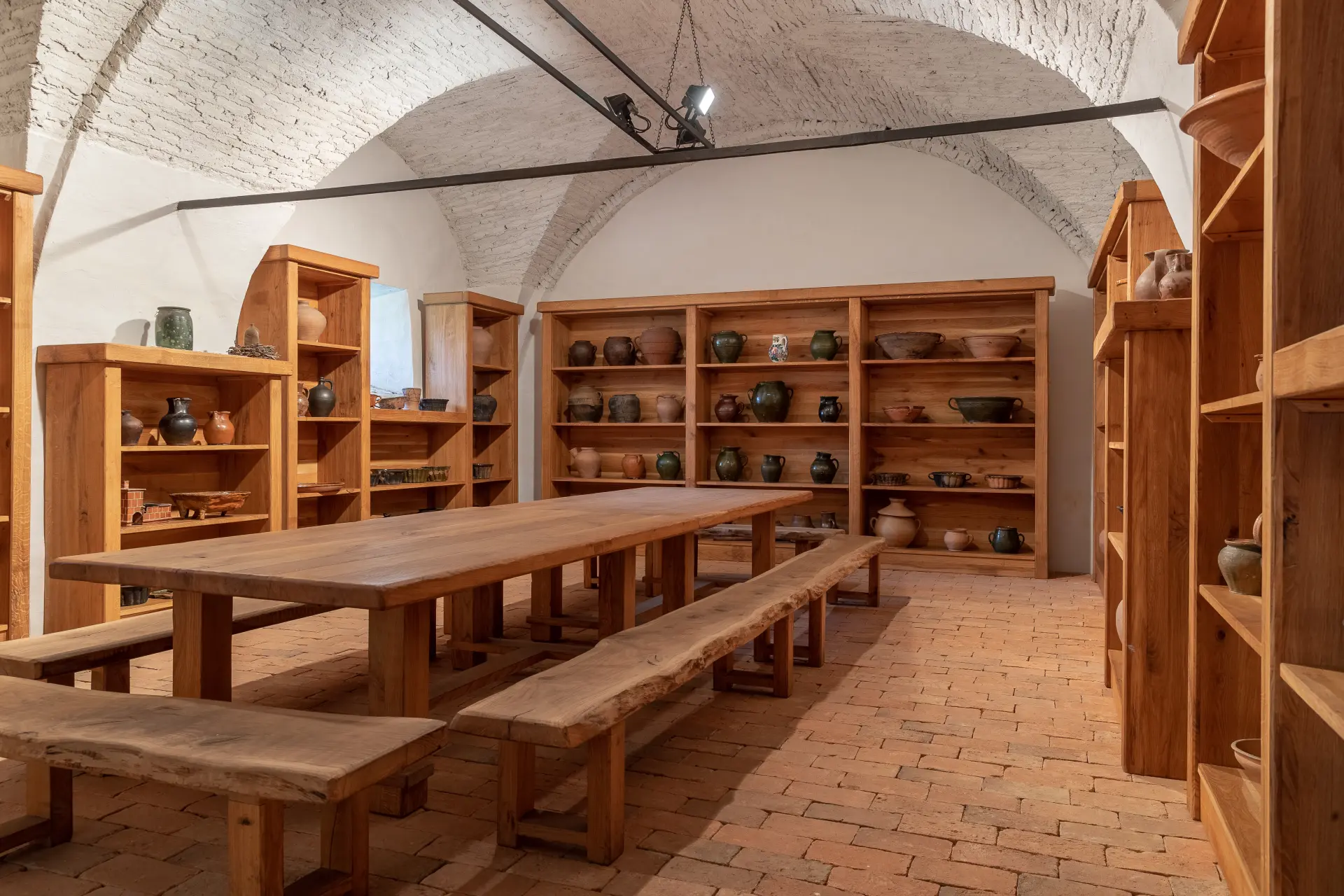
Although the castle’s original furnishings have been lost over time, today the castle is filled with new content. Its rich collections guide you through the heritage of the beautiful area between Pohorje and Haloze.
Step into a story written into the castle walls and feel the pulse of the past!


A Story through the Centuries
Medieval beginnings (1227–1384): The castle first appears in historical sources in 1227 as a manor and the seat of the then Pohorje administrative district. It later served as the Bistrica administrative office and provincial court. In 1313 it was first explicitly referred to as a Burg (castle), but this original building was destroyed by fire in 1384. Among the many important administrators of the castle during this period were the powerful Counts of Celje.
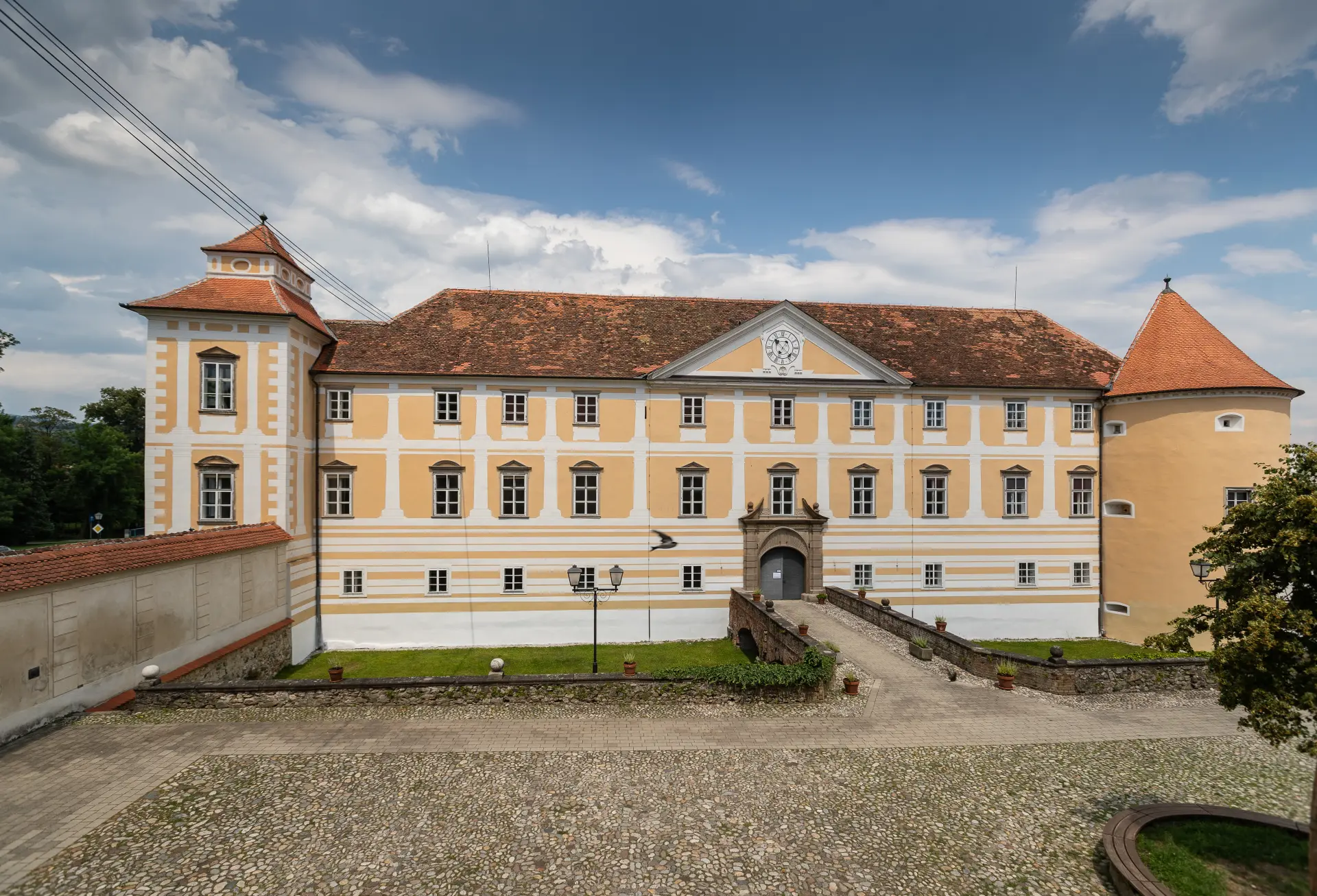
Transition to private ownership and the present-day appearance (1587–1651): In 1587, the castle passed from sovereign ownership into private hands. The first private owners were the Vetter family, later ennobled as Counts von der Lilie. Between 1590 and 1623, and again in 1651, they undertook extensive construction and renovation works, giving the castle approximately the size and form we admire today.
Landscaping of the park (1681): After 1681, management of the castle was taken over by the Counts of Wildenstein. They enhanced the surroundings and created a beautiful French-style park beside the castle, distinguished by geometrically arranged avenues, carefully designed water features and rich sculptural decoration.

From Medieval Castle to Cultural Gem
The golden age under the Counts of Attems (1717–1721): The Counts of Attems are rightly regarded as the castle’s most important owners. Ignaz Maria Attems purchased the castle in 1717 and by 1721 had thoroughly transformed it into a magnificent Baroque residence. This golden age of renovation culminated in 1721 with the splendid wall paintings in the Castle Chapel, the Grand Staircase and the Knights’ Hall.
Decline and revival (after 1945): The end of World War II brought difficult times for the castle. It was nationalised and its rich interior furnishings were removed. The premises were initially occupied by the military and were later converted into residential accommodation, after which the building was left to slowly deteriorate. A crucial turning point came in 1985, when comprehensive professional restoration and revitalisation began. This process continues to this day with a clear goal: to preserve the castle’s priceless historical and cultural value for future generations.
Breathtaking Baroque Frescoes
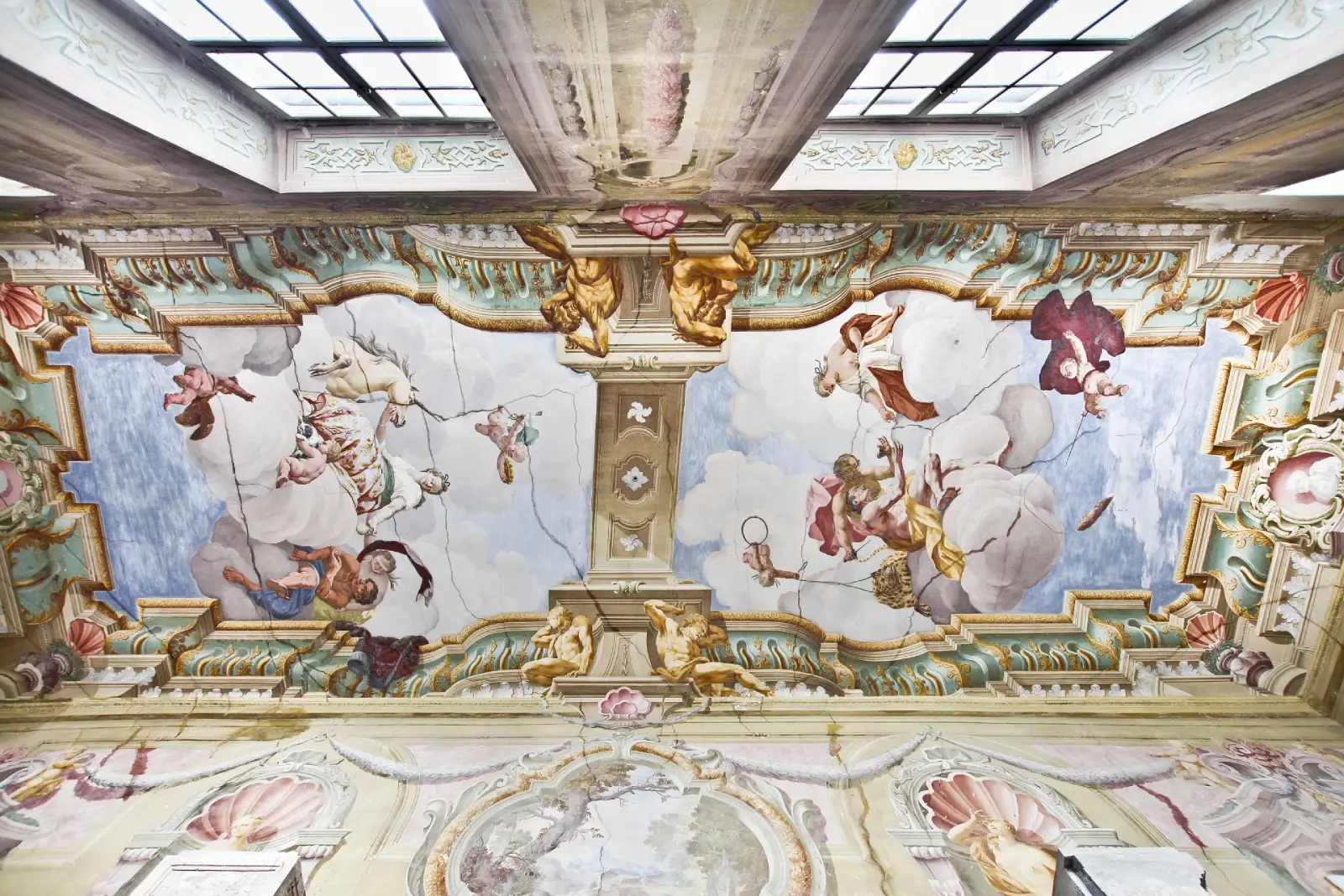
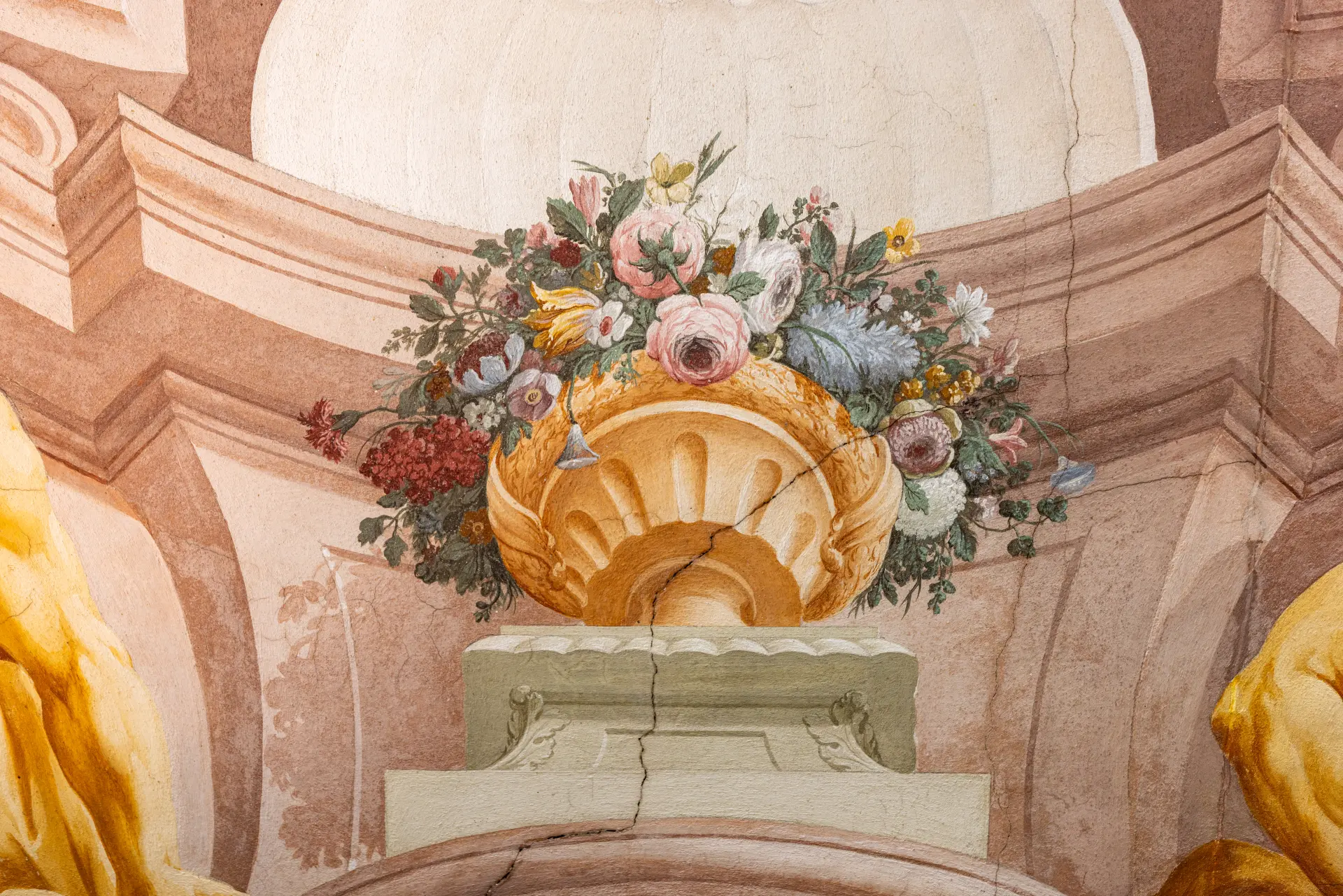
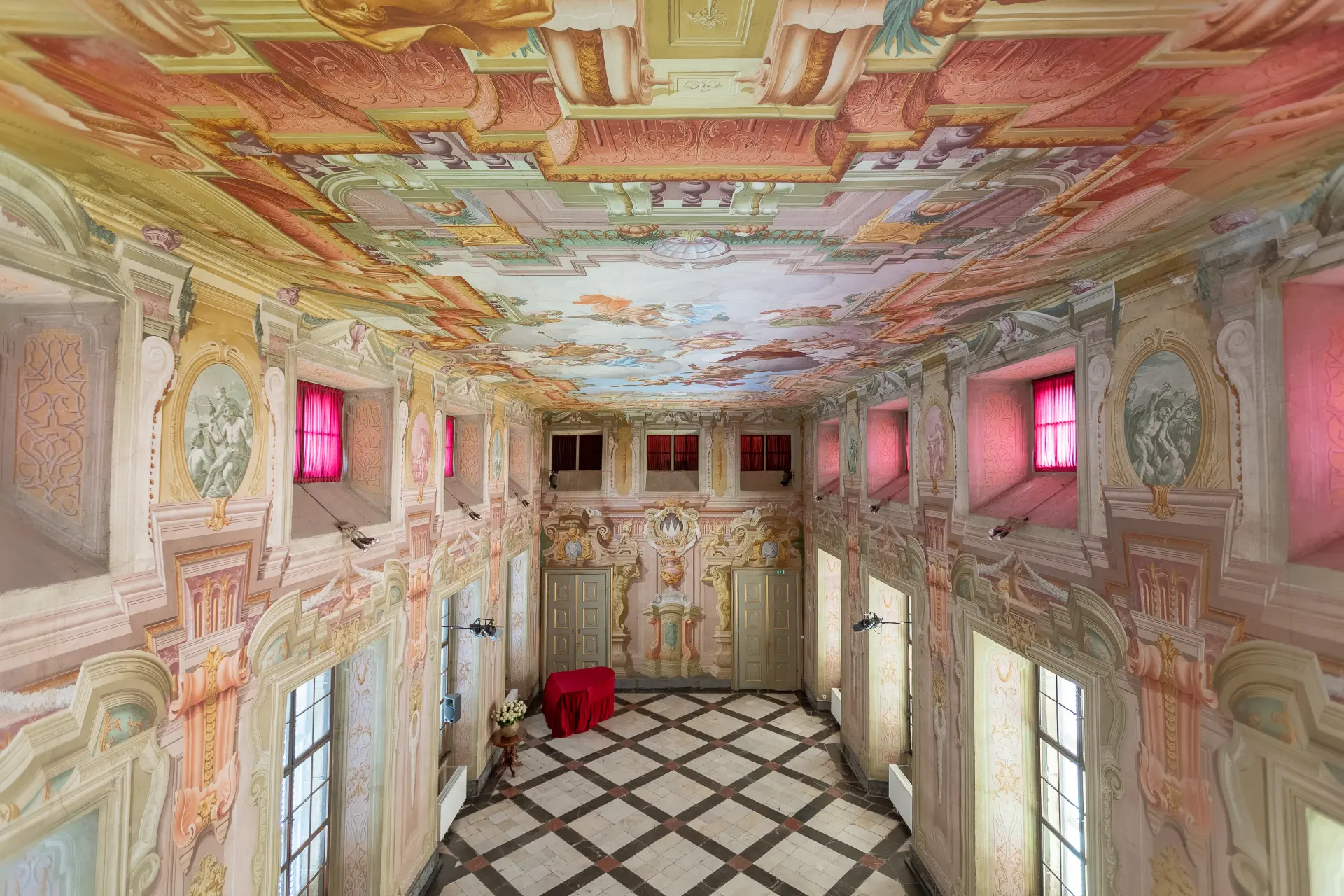
The castle boasts outstanding frescoes by court painter Franz Ignaz Flurer, created between 1717 and 1721. As you explore the castle, make sure not to miss three key locations:
Knights’ Hall: The most magnificent and fully painted room depicts the Apotheosis of Hercules (his admission among the gods). The coats of arms of the Attems and Herberstein families are depicted on the walls, while above the entrance you can even spot the artist’s signature and date.
Grand Staircase: The second-largest group of frescoes depicts two mysterious, interconnected allegorical scenes whose precise meaning remains an enigma.
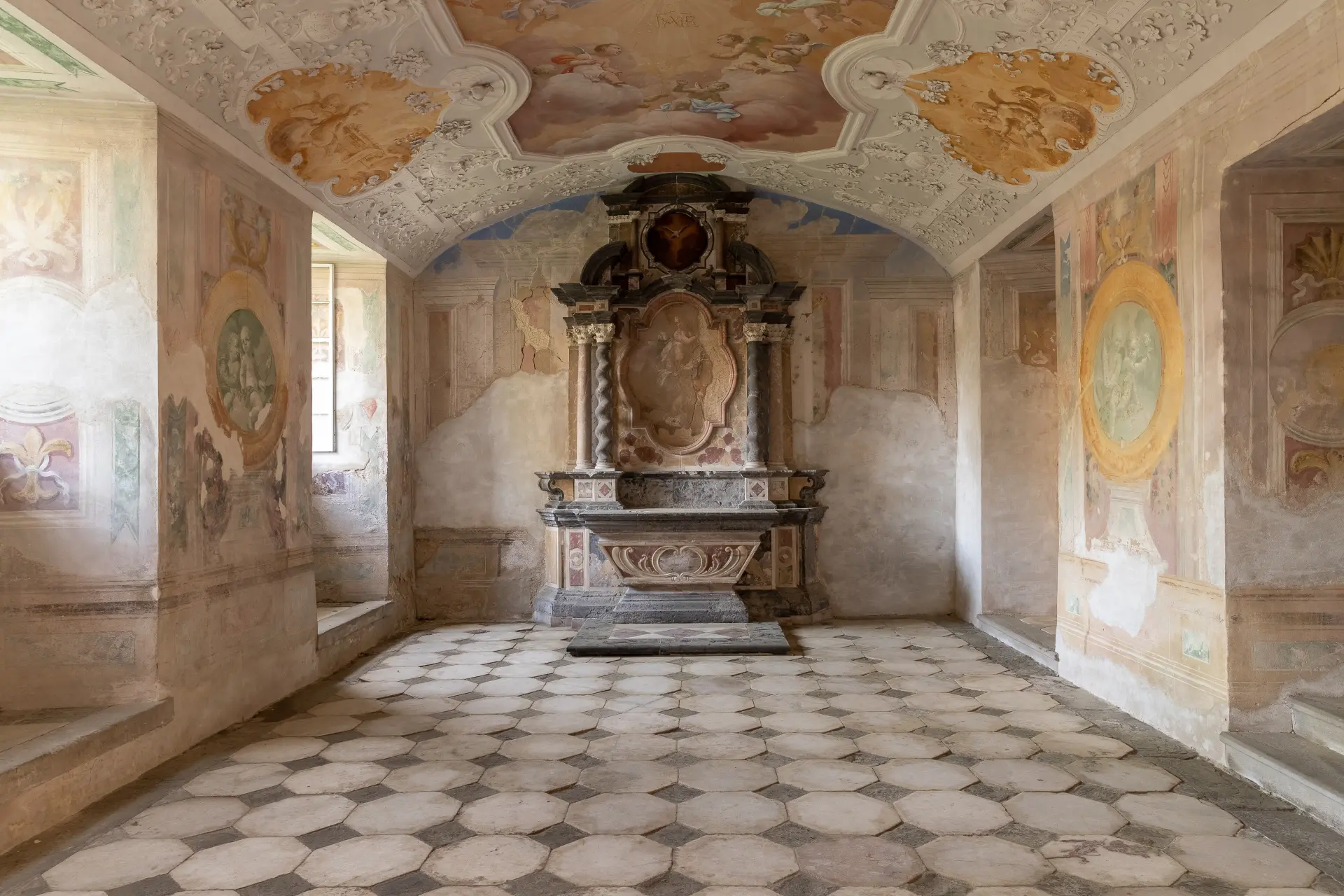
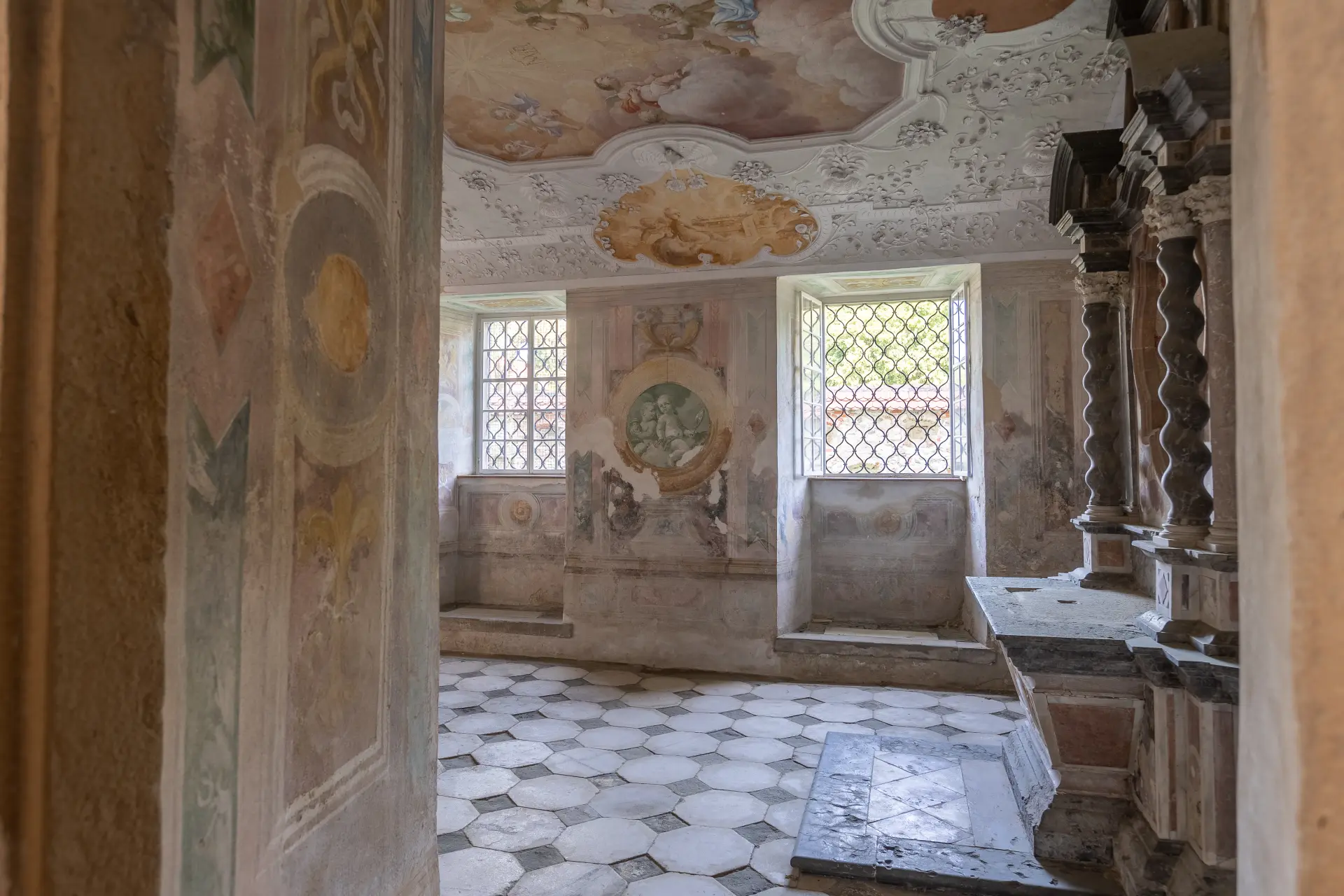
Castle Chapel: The frescoes in the chapel, dedicated to the Virgin Mary, are smaller, yet their detail and content place them among the most fascinating examples of such painting in Slovenian Styria.
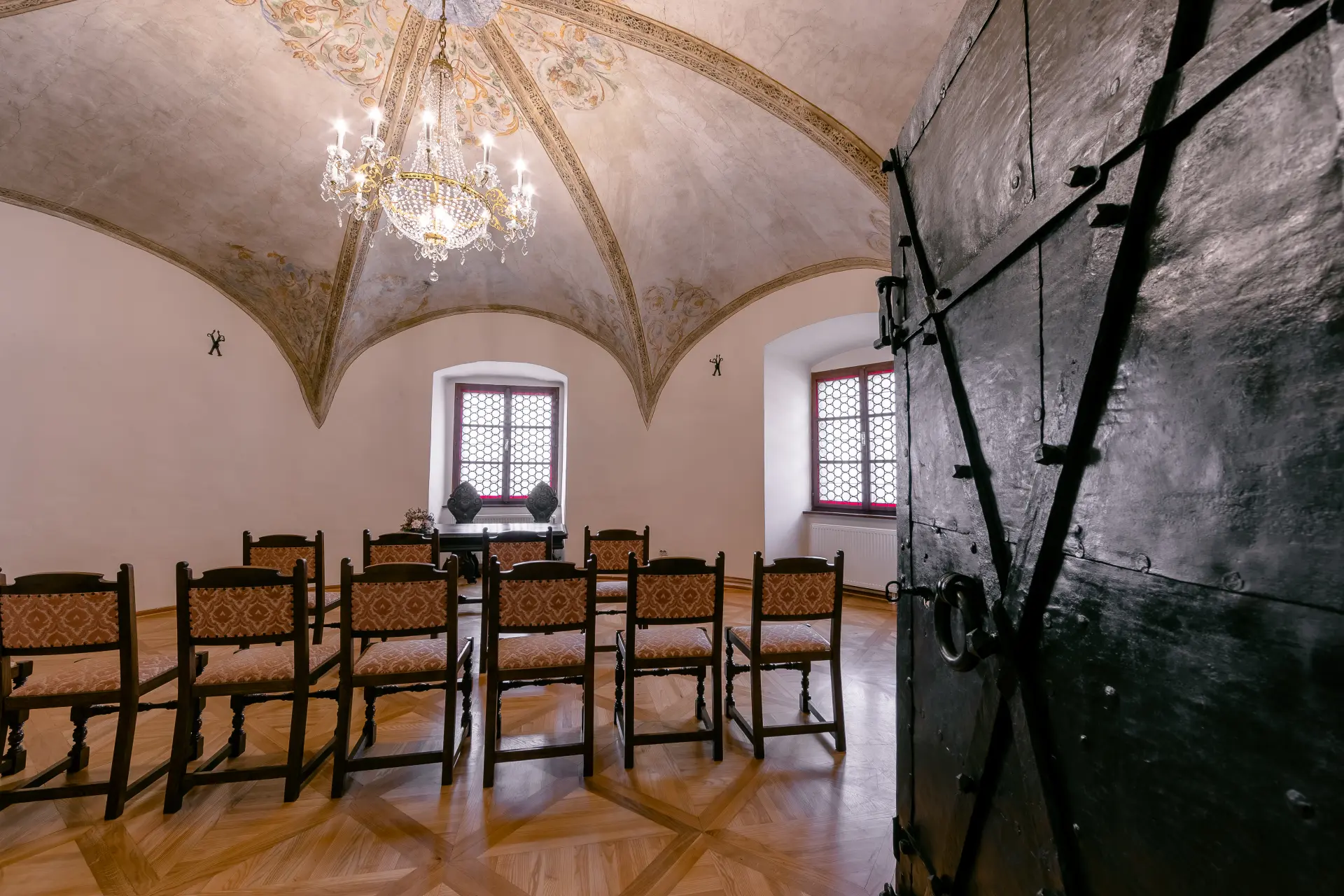
Mysterious paintings by unknown artists also await you in the Pre-Wedding Hall, the Wedding Hall and the rooms of Galerija Grad.